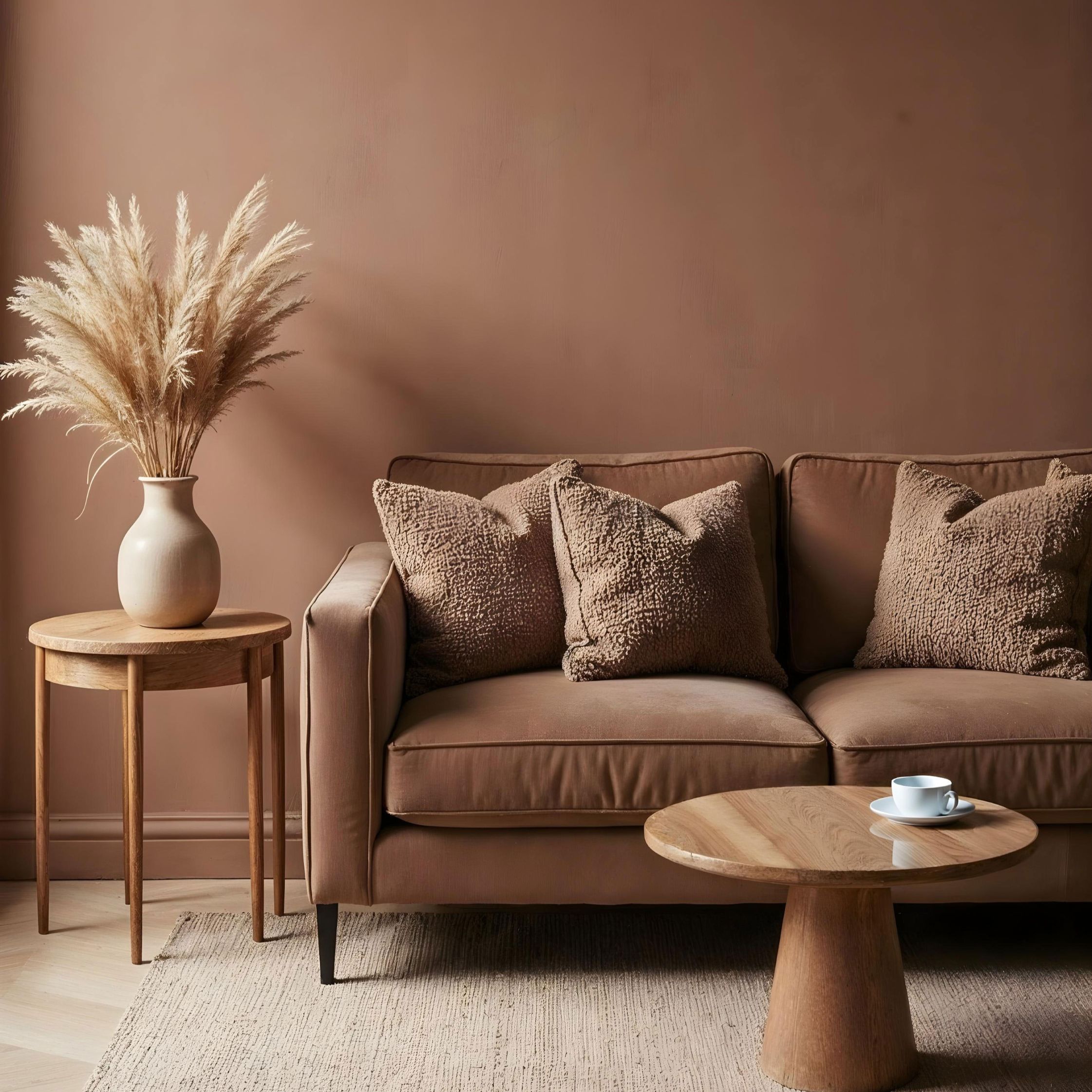
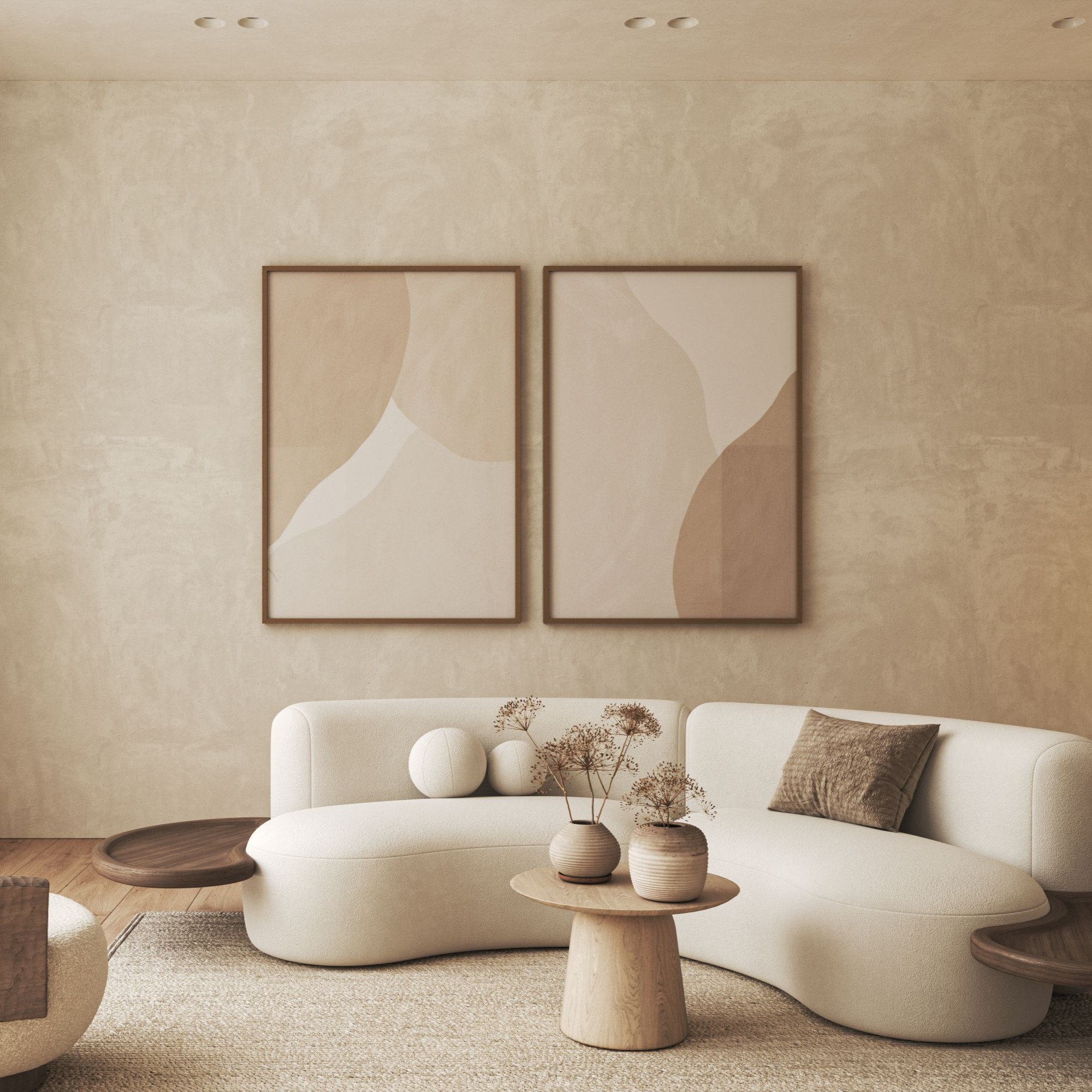
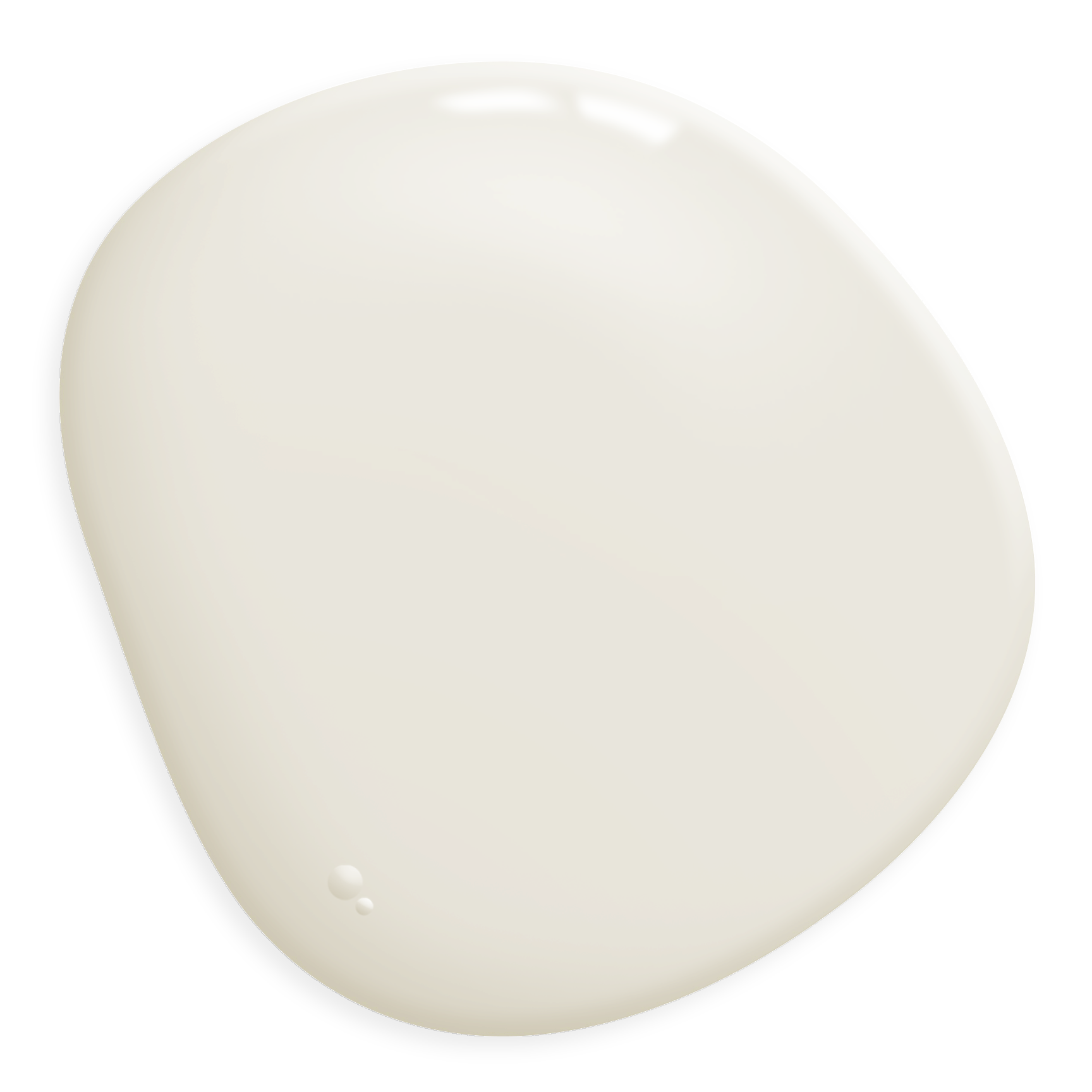
One of the most prominent trends in contemporary interior design is the use of less saturated, soft, slightly dusty shades. In the JUB Home of Colours colour chart, you will find them in the MIX collection.
The central MIX section of the Home of Colours (MIX)– colour chart brings together shades ranging from dark to light and from violet to beige. They feel distinctly calm, but never dull. Their greatest advantage is how easily they combine with materials commonly found in modern homes: natural wood, stone, metal, ceramics, linen and wool.
Creating harmony in your home
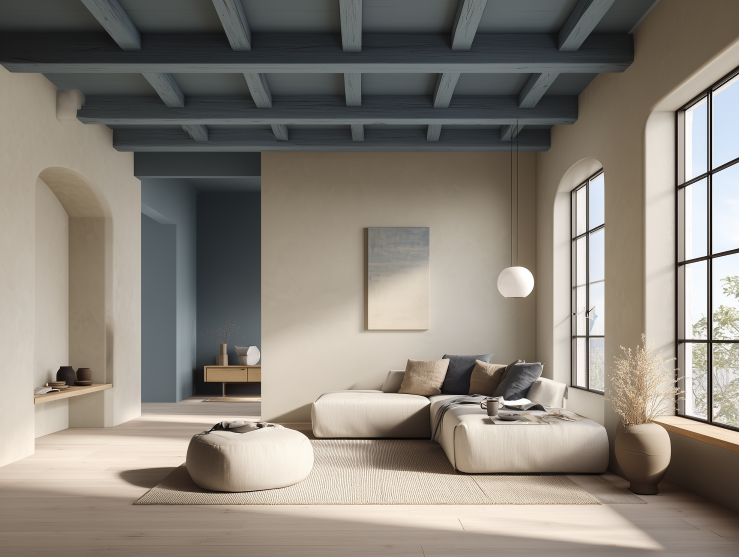
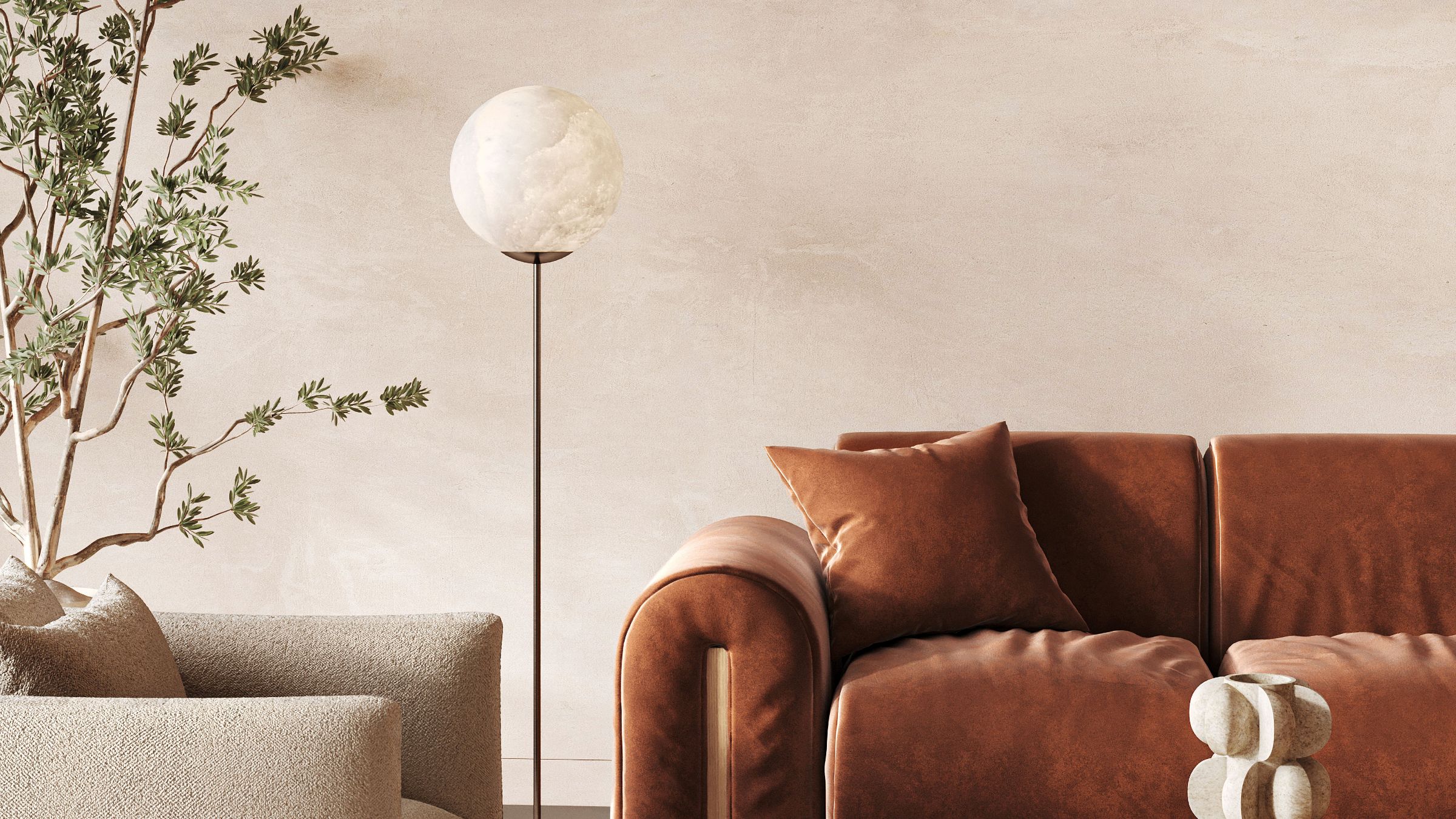
MIX shades are often used in spaces that bring together several different textures. Open-plan living areas that connect the living room, kitchen and dining room are a perfect example. With so many visual elements already present, a muted colour backdrop helps create a sense of harmony and cohesion.
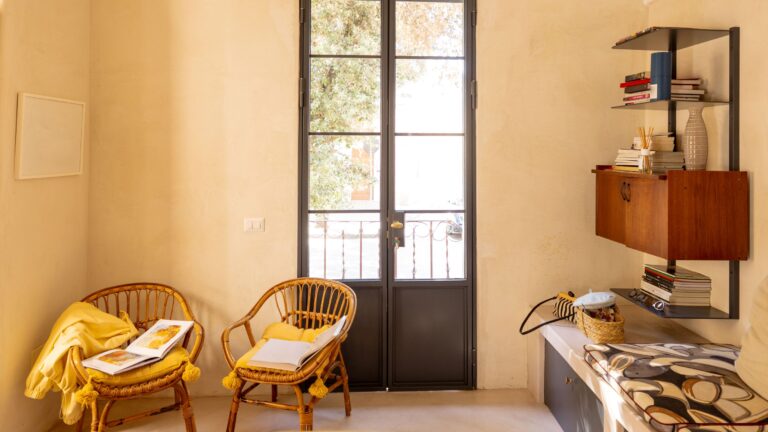
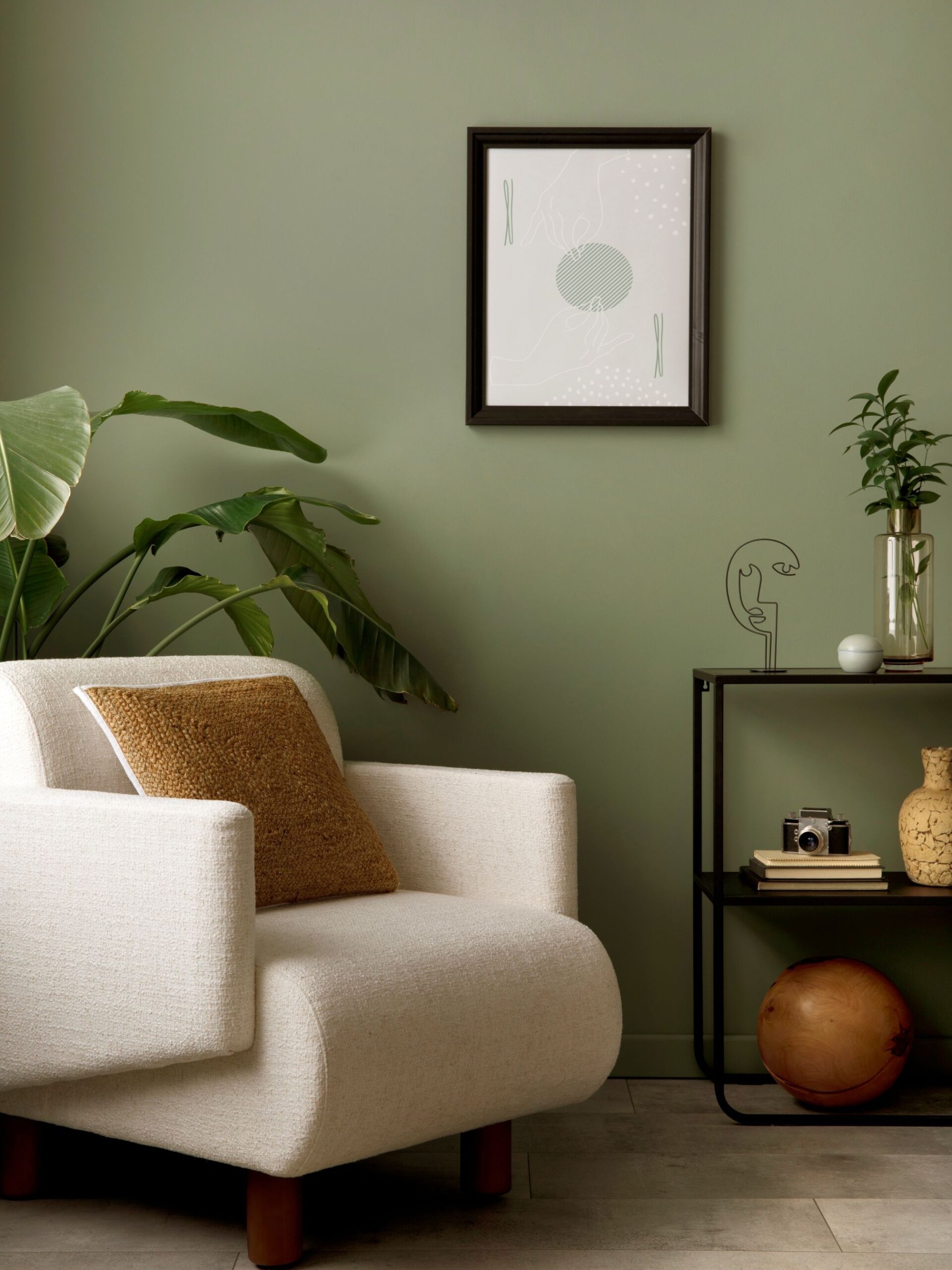
Taupe, sand, grey and soft brown shades are particularly popular. Warm tones work beautifully in living rooms, dining rooms and hallways where you want a more welcoming, lively atmosphere. Cooler shades are often ideal for bedrooms and bathrooms, where relaxation and tranquillity are the main priorities.
Why choose MIX shades?
A timeless foundation: These shades are an excellent choice when you plan to update your furnishings gradually over the years rather than replace everything at once. They provide a reliable backdrop, allowing you to change textiles, lighting, artwork or individual pieces of furniture without having to rethink your wall colour every time.
A unifying element: MIX shades are ideal for homes where you want to create a cohesive feel. Instead of giving every room a completely different colour scheme, you can use the same shade or related tones throughout the home to establish a strong visual connection.
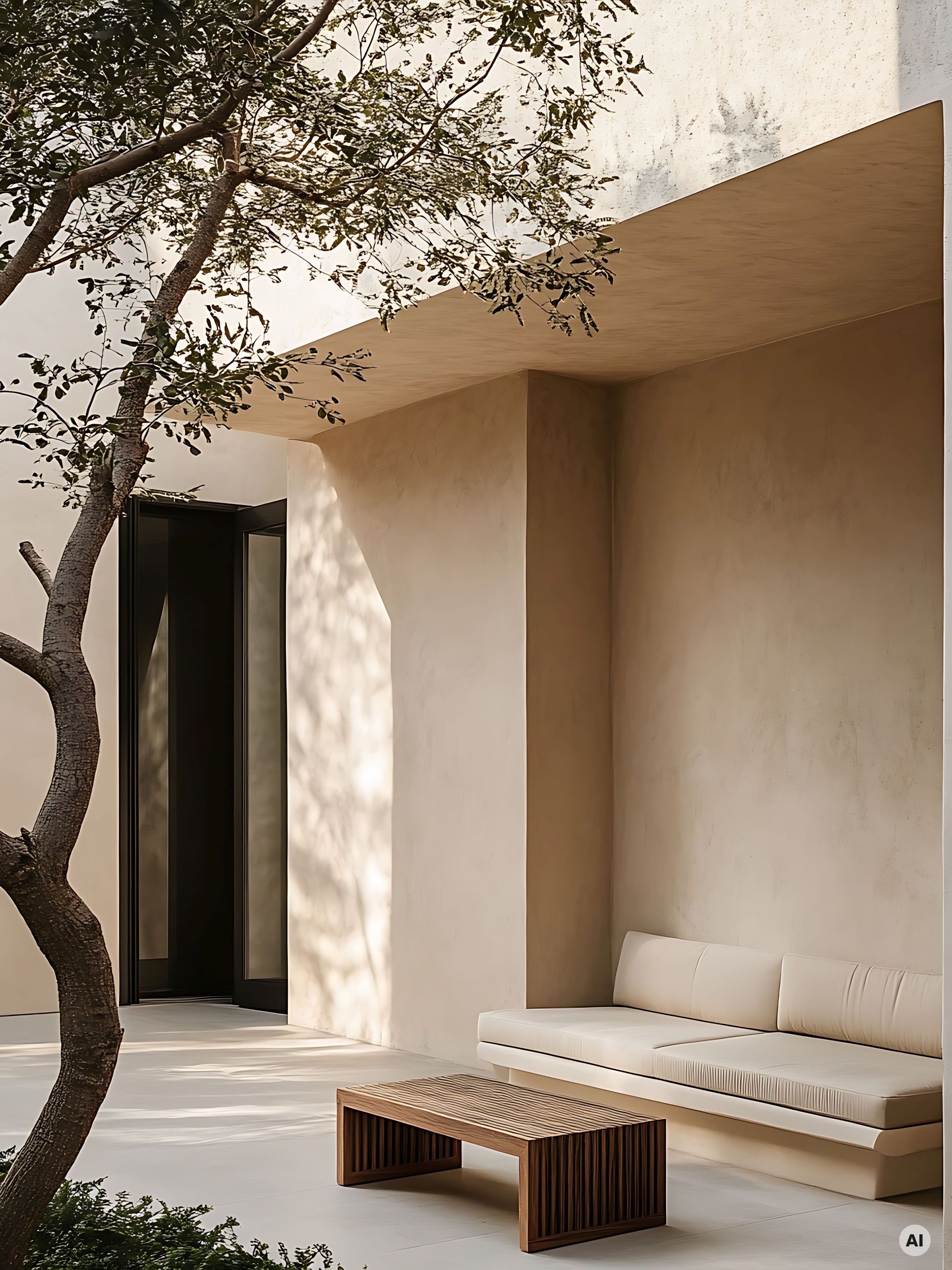
A classic choice for facades: More and more homeowners are also choosing softer, more natural tones for their facades. These colours blend beautifully into their surroundings, complement greenery and generally age more gracefully than strongly trend-led, intense shades.
Tip: Paint more than one surface
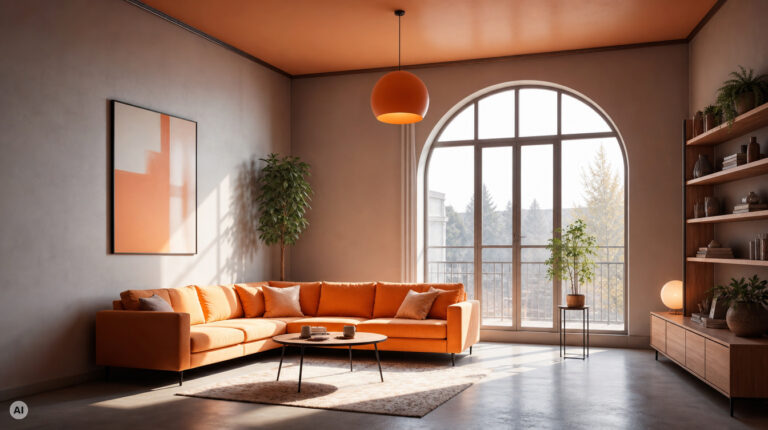
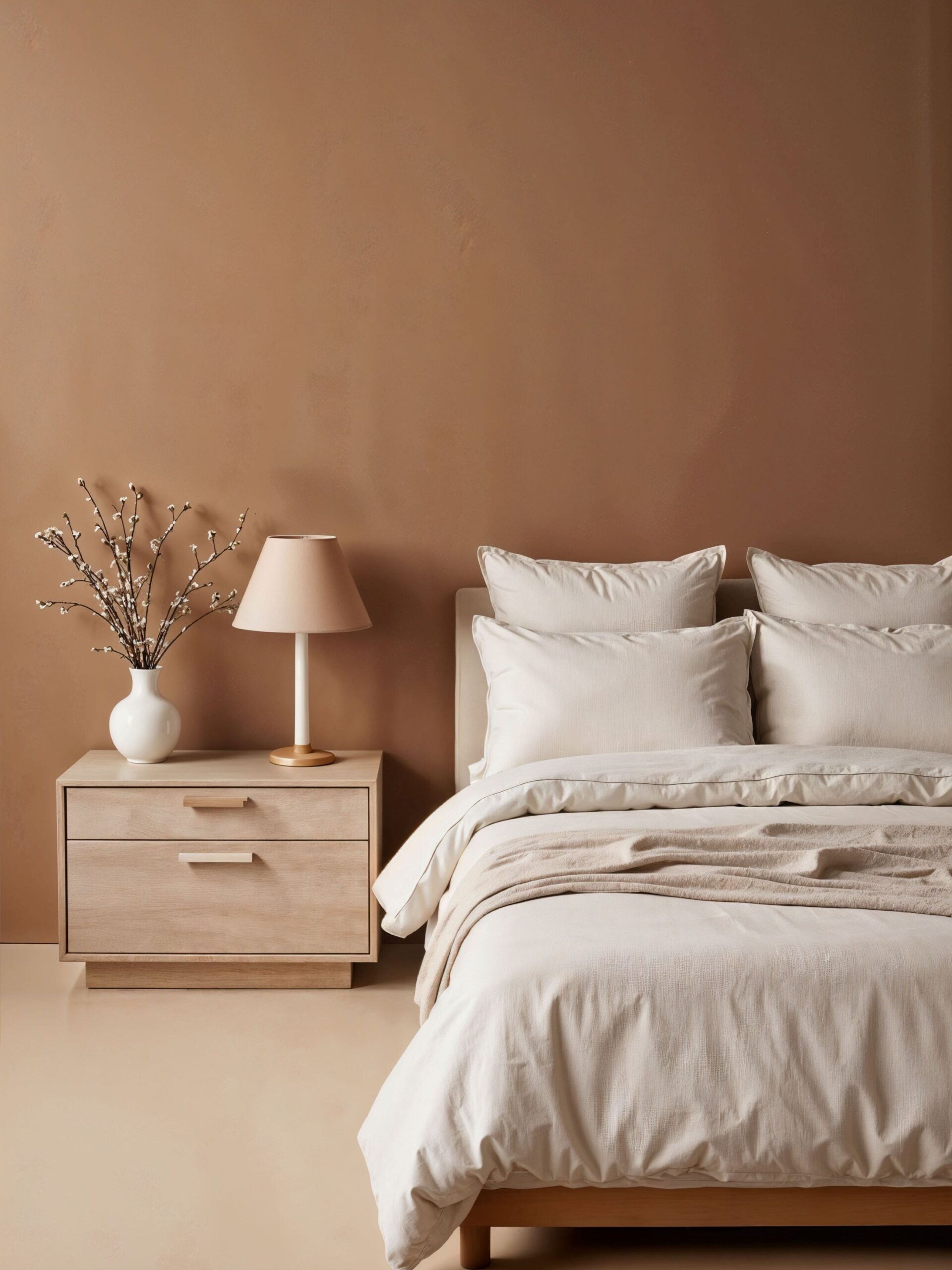
An increasingly popular approach in recent years is colour drenching, where the walls, doors, door frames and often the ceiling are painted in the same or similar colour. The technique visually unifies the room, giving it a calmer, almost monolithic feel. Instead of sharp contrasts, it creates a soft, cohesive whole, allowing the colour to form a backdrop for selected furniture and the interplay of light and shadow.
Colour drenching is most often used in spaces where a peaceful atmosphere is desired, such as libraries, bedrooms and home offices. It can also be particularly effective in smaller rooms. The technique is simple to achieve yet remarkably impactful: just one shade can completely change how we perceive a room’s architecture. It works especially well with MIX shades, whose softer, less saturated tones help prevent the space from feeling too heavy.