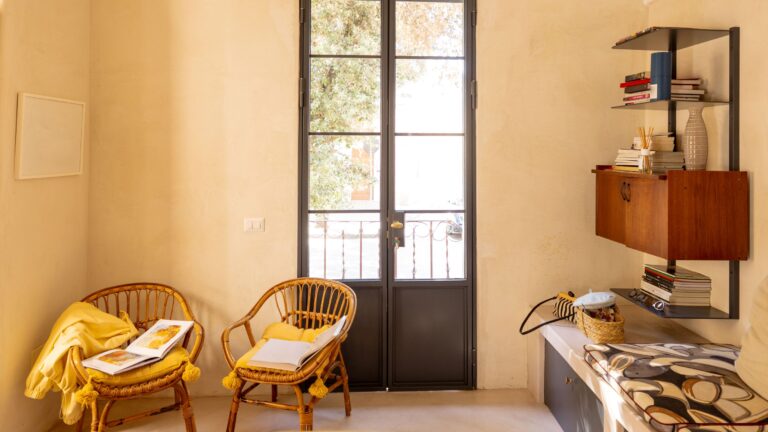
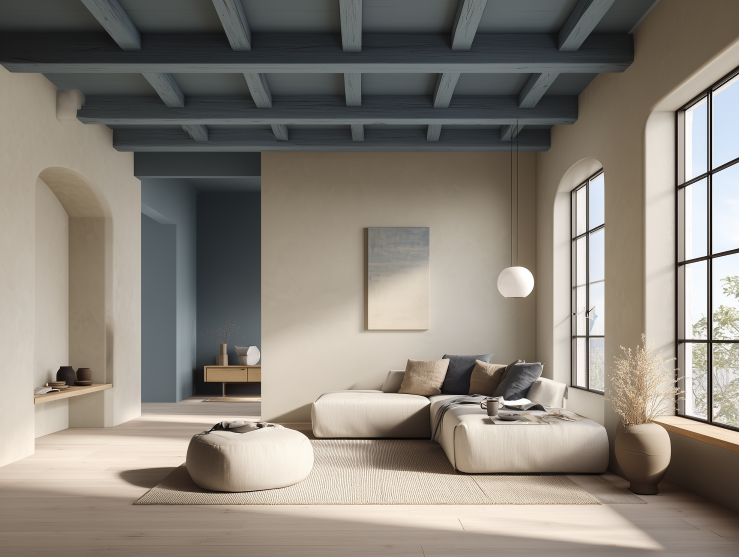
Colour is never static in an interior: how it looks depends on the light around it. Choosing the right shade therefore means considering which direction the room faces and how natural light changes throughout the day.
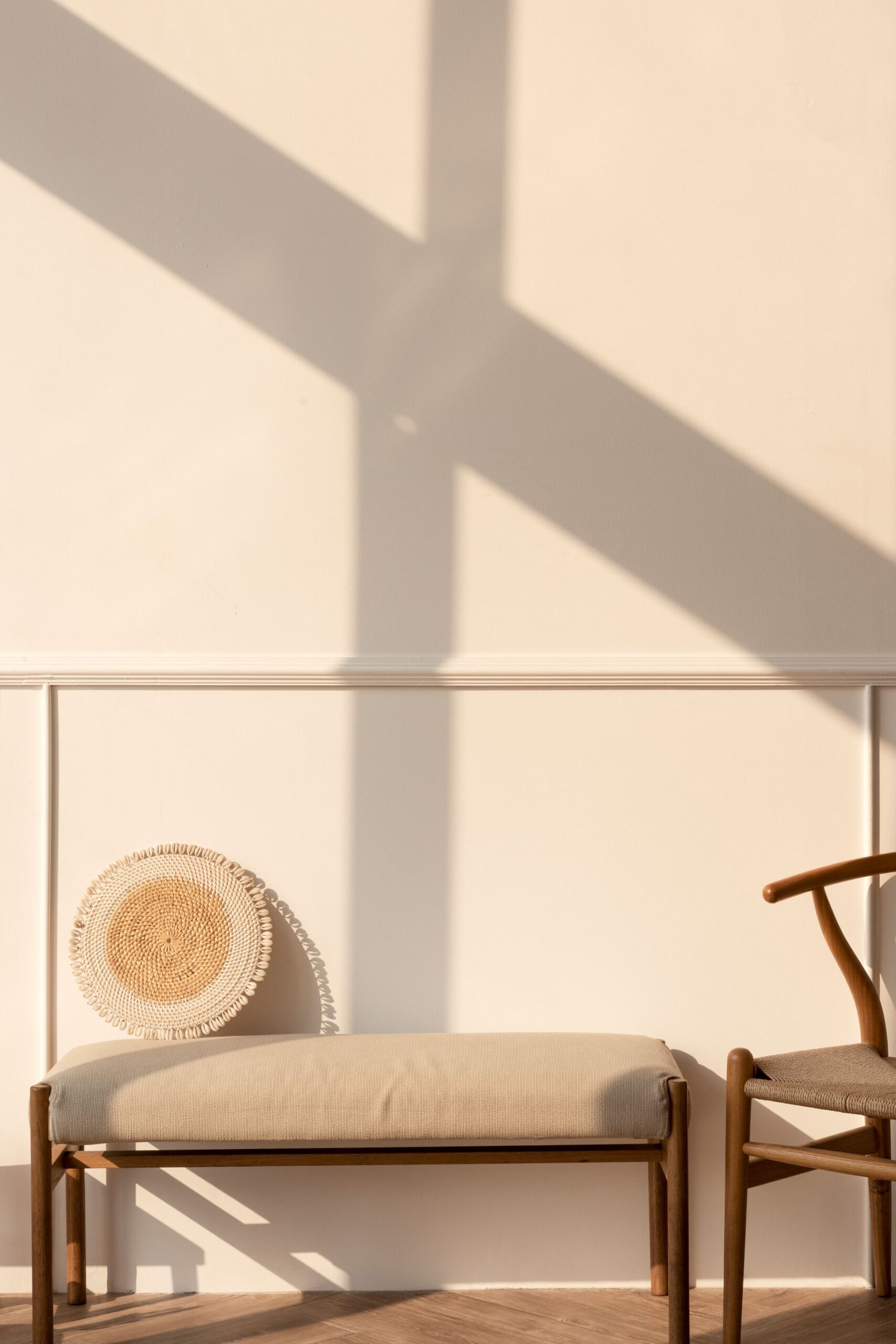
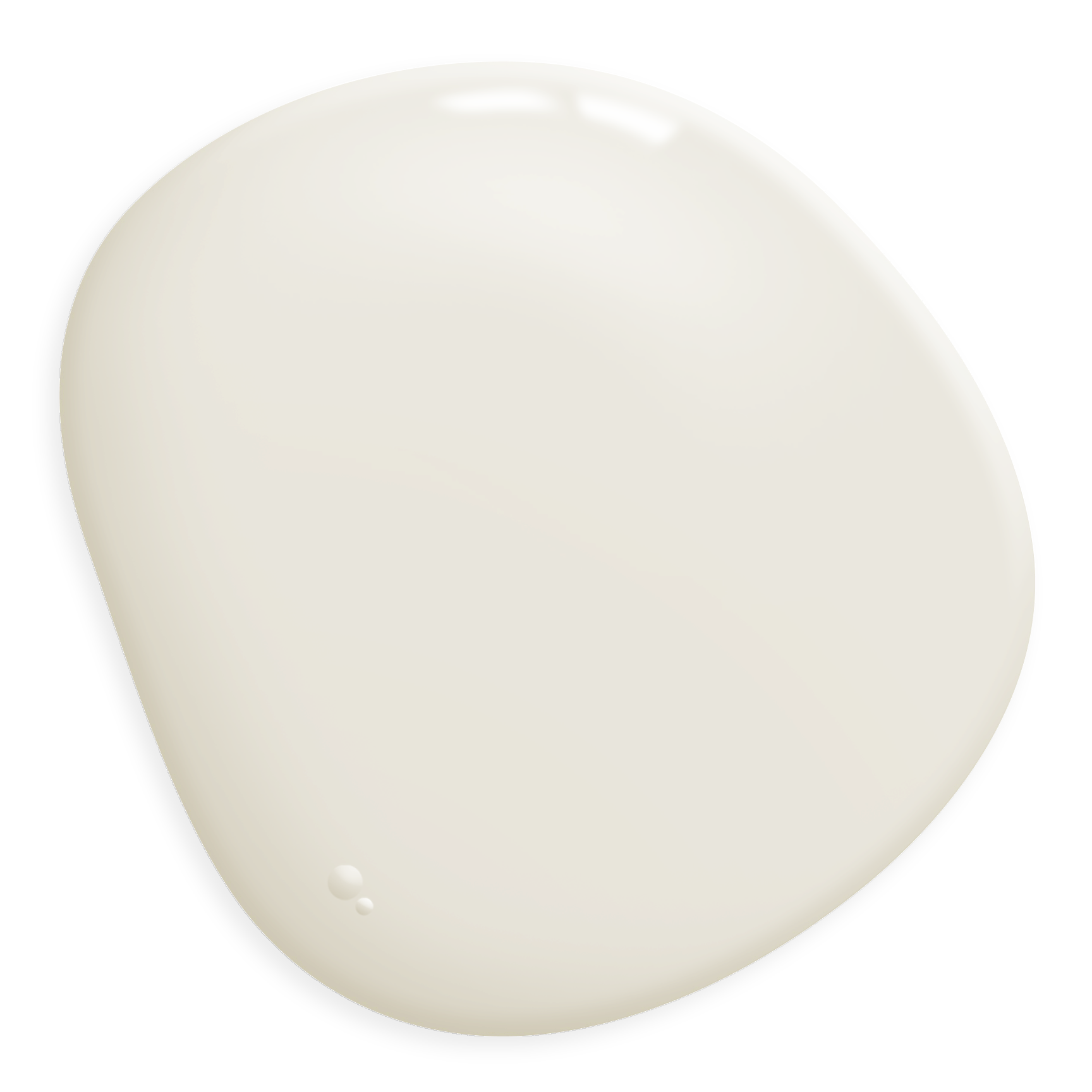
We perceive colour when sunlight, made up of different wavelengths that vary with the time of day, cloud cover and reflections within the room, is reflected off a surface. We see the same surface as dark in low light, warmer in warm light and cooler in cool light. Our perception of colour changes depending on the room, its orientation, the time of day, outdoor conditions, the surface to which the paint is applied and the colours and materials surrounding it. A colour chart is therefore only a starting point: always test the actual shade in the room and observe it for a while under different lighting conditions.
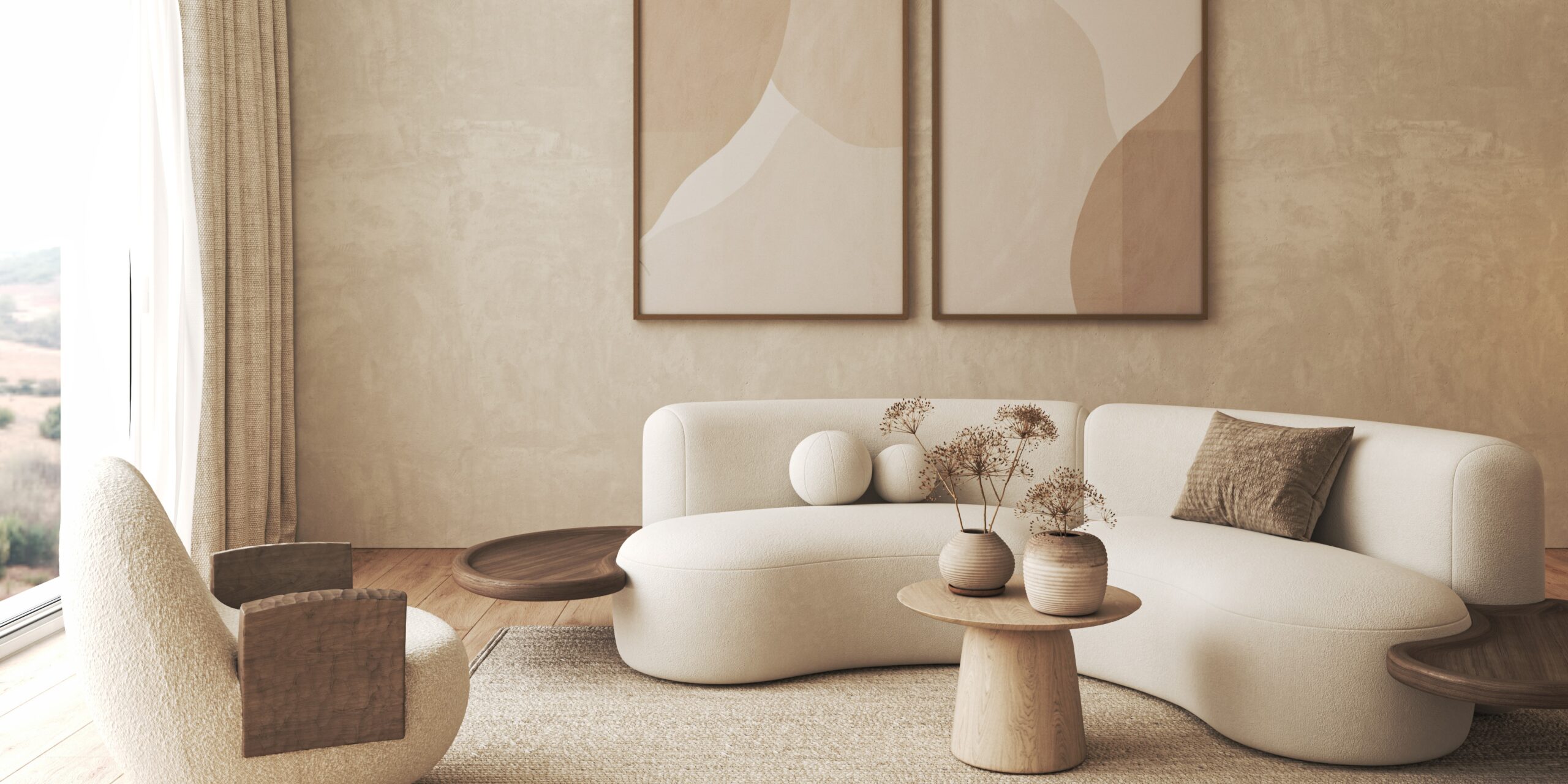
Warm shades for cooler rooms
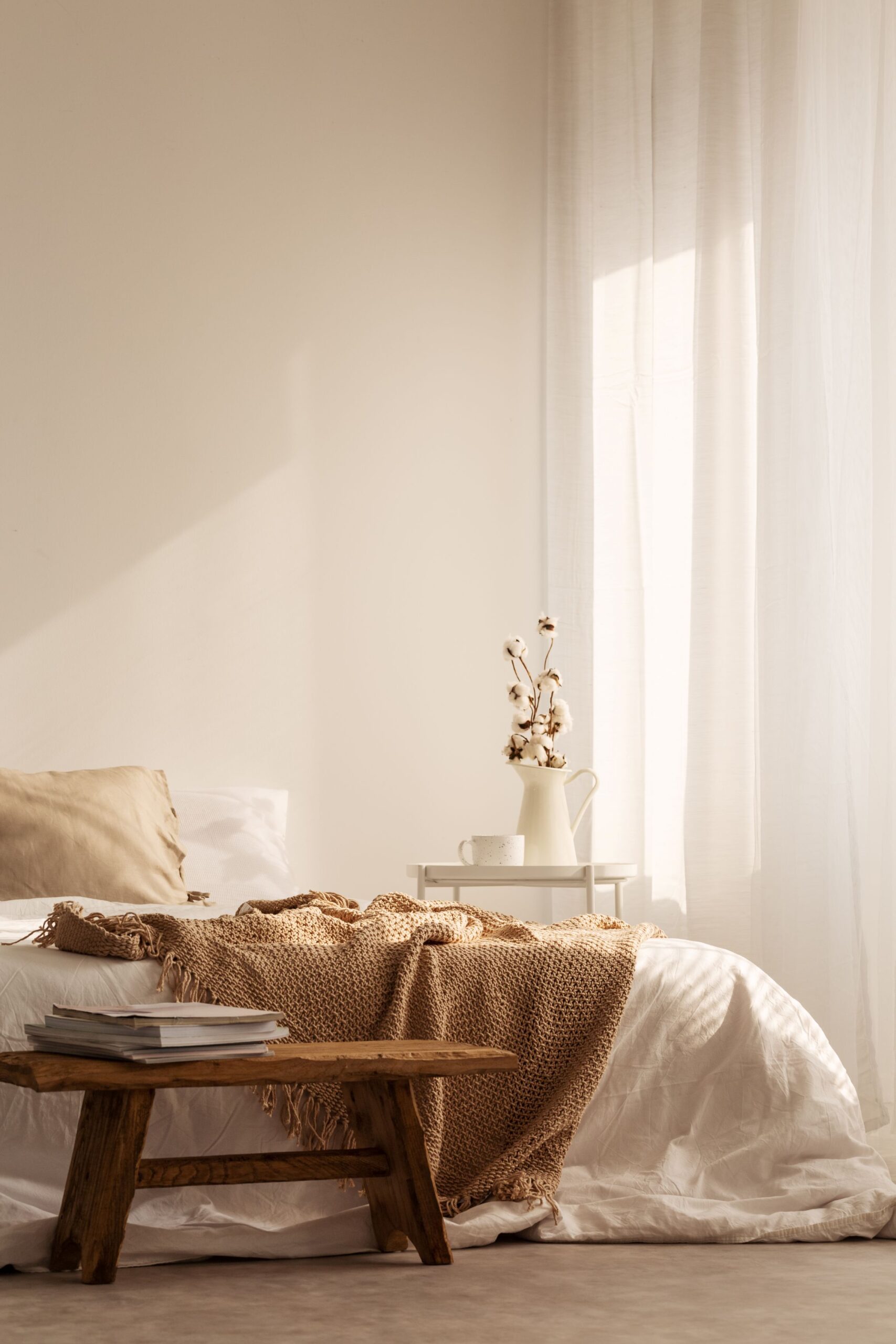
North-facing rooms receive only indirect sunlight, so they often feel cooler and less lively. Warm tones – beige, sandy and cream shades – work particularly well here. You can also choose richer versions of these shades, as the cooler, indirect light will soften their appearance.
How can you soften the effect of light in south-facing rooms?
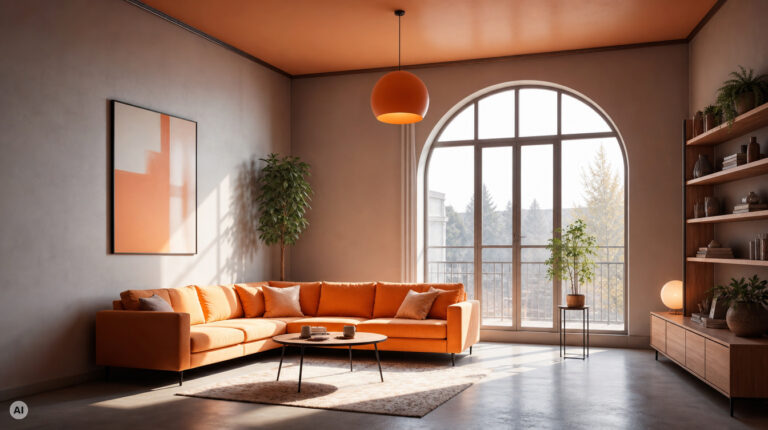
South-facing rooms receive plenty of natural light, which can make colours appear more intense. Warm light also makes a shade look warmer than it really is. We therefore recommend slightly cooler or less saturated tones to create a pleasant, balanced atmosphere even in strong sunlight.
Morning and evening light change how shades look
East-facing rooms receive plenty of warm morning light, making both warm and neutral shades good choices. Strong evening sunlight in west-facing rooms, meanwhile, brings out golden tones and makes colours look more intense. It is therefore worth considering which shade will create the effect you want on these walls.